








Profile
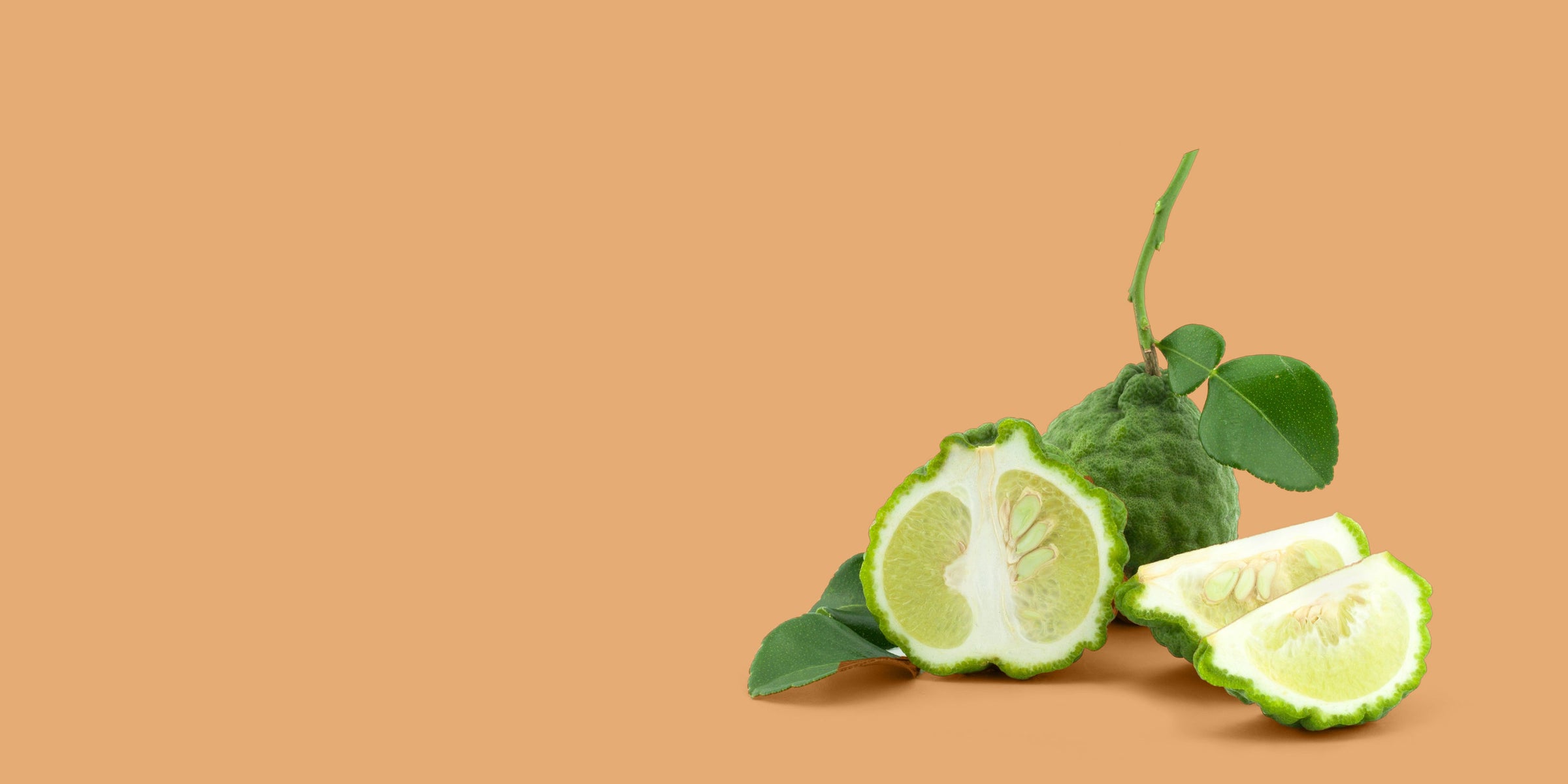
Bergamot is the insider tip for our vegan line.
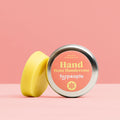
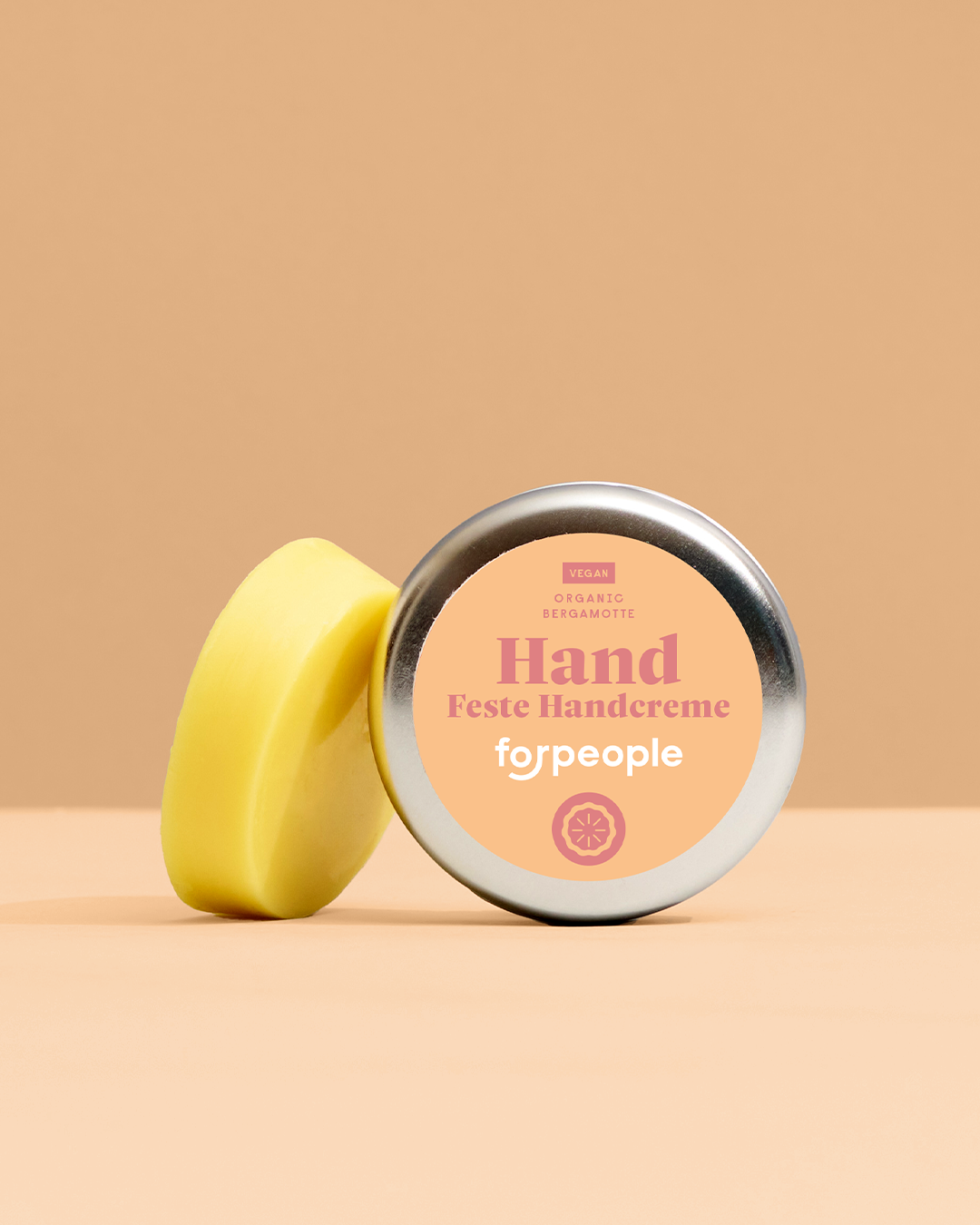
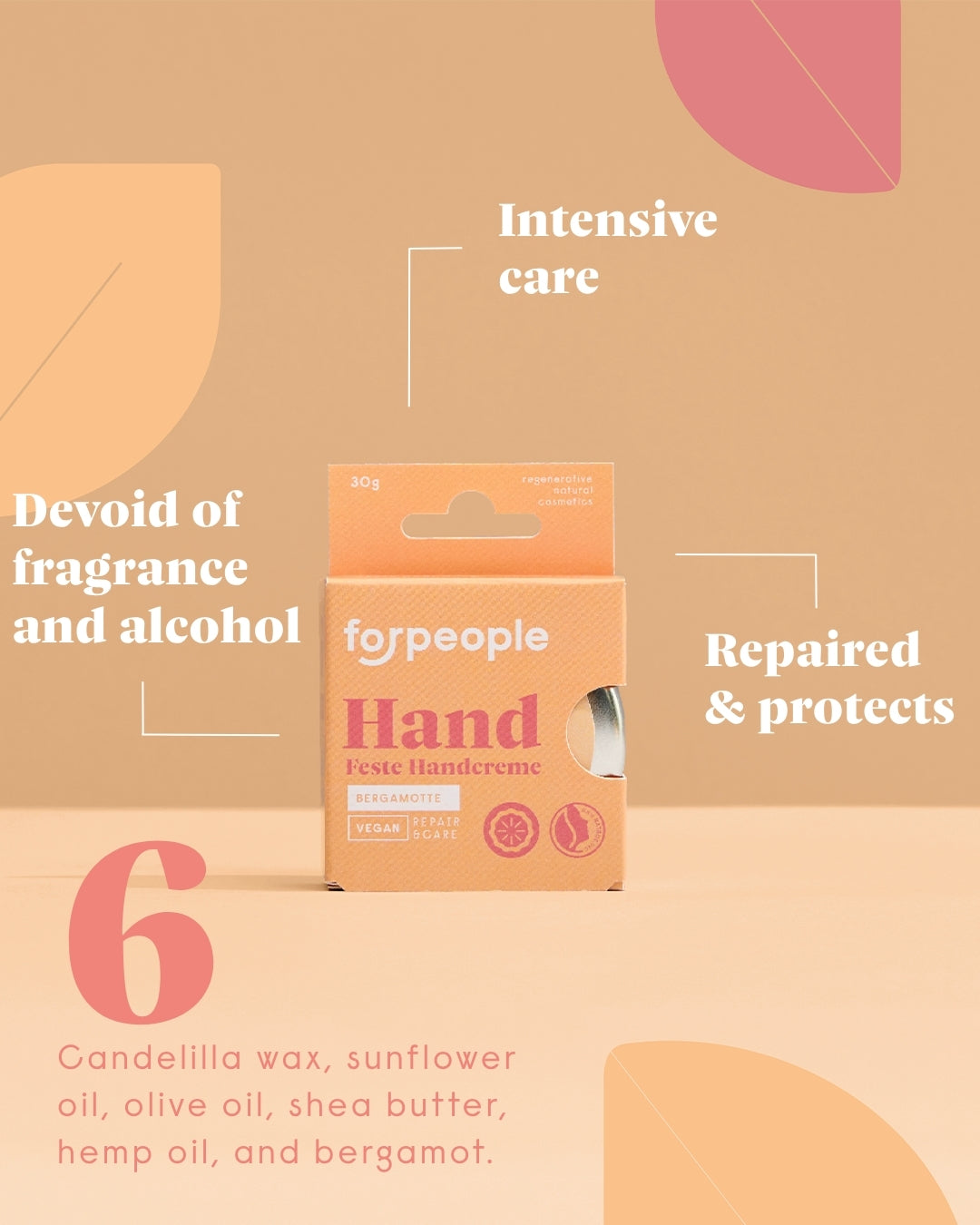
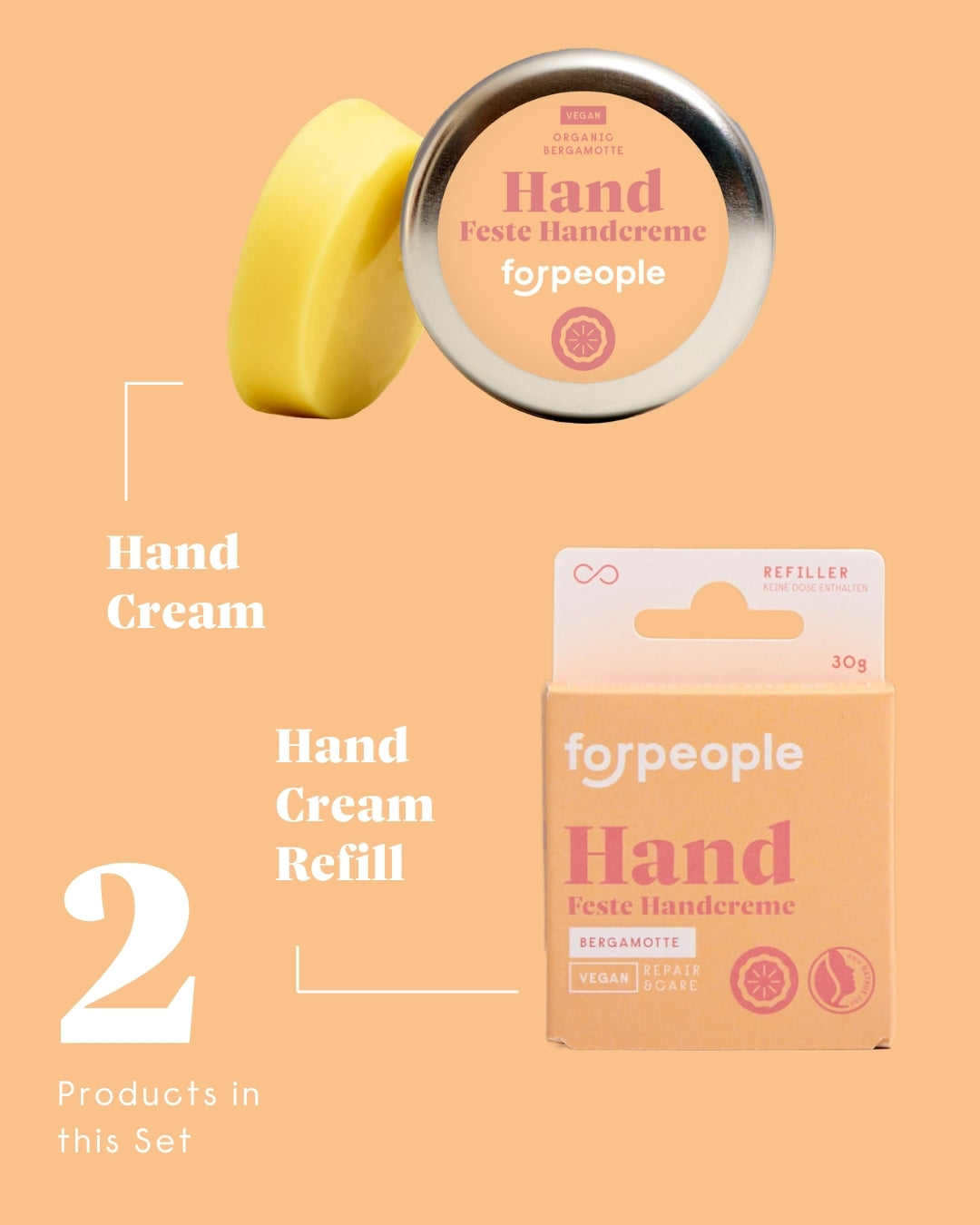
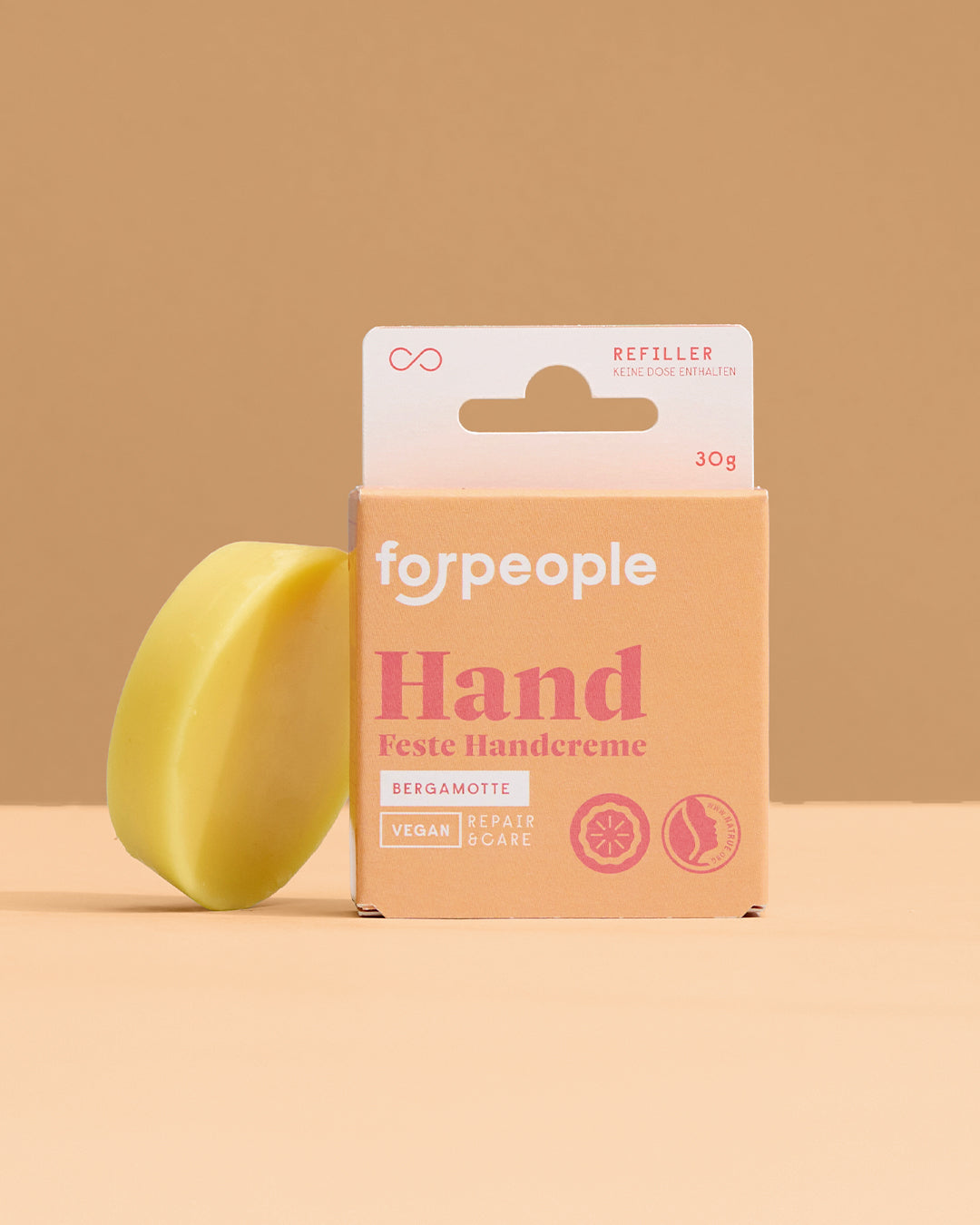
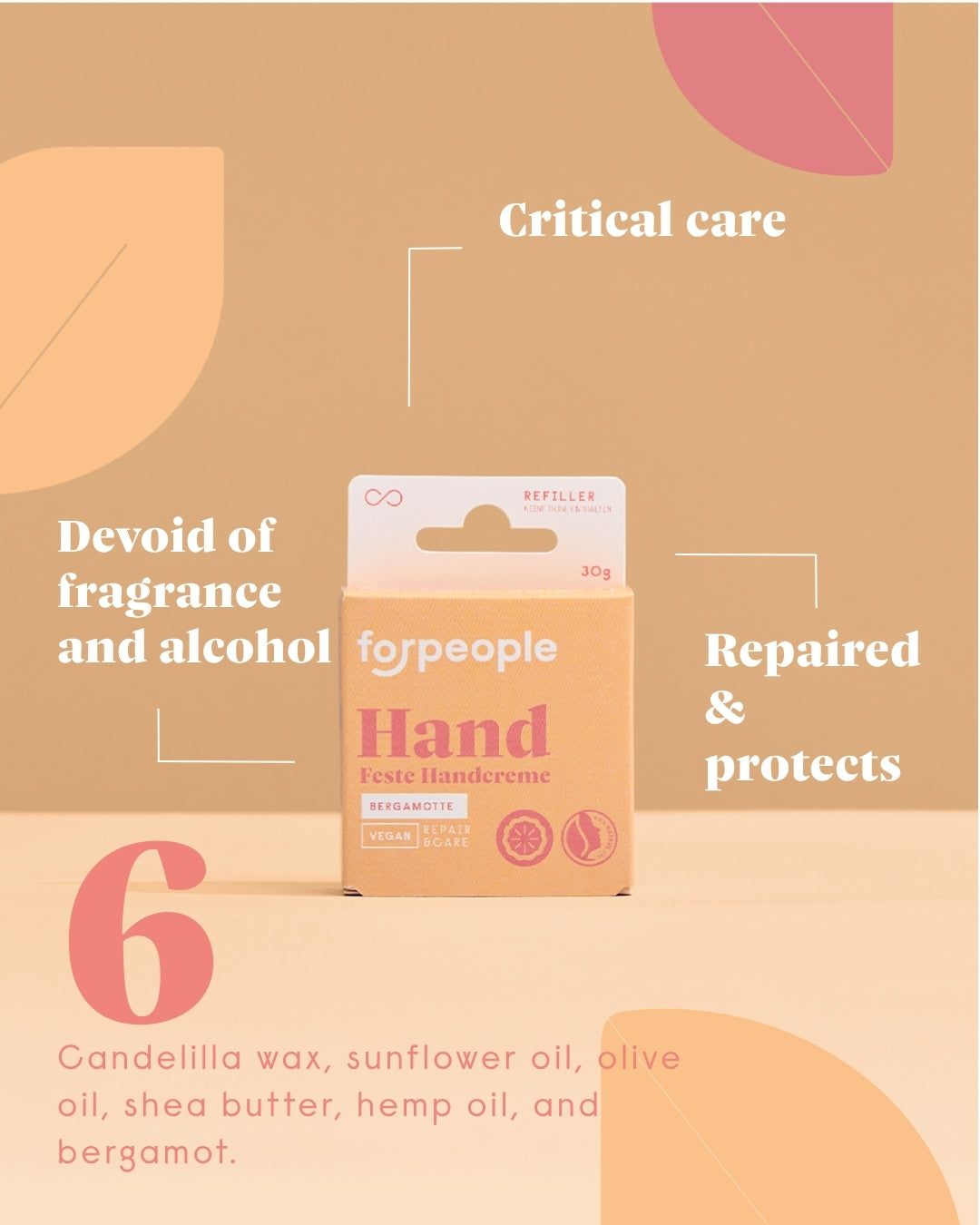
The fresh citrus scent turns a hand cream into a little mood-lifting ritual. In our solid vegan hand cream Bergamot it is the aromatic heart. Also in the hand care set and in the refill variant. FCF-free, so not phototoxic.
Citrus fruit from Calabria
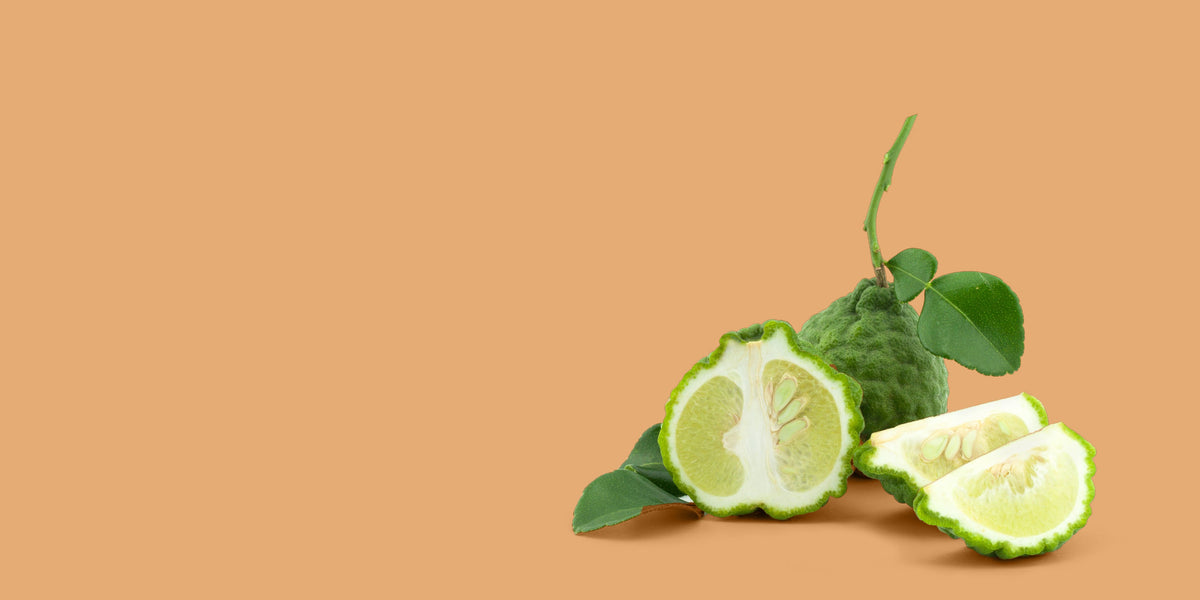
Bergamot is a citrus fruit from southern Italy – grown almost exclusively in Calabria. The essential bergamot oil is obtained by cold-pressing the fruit peel and contains linalyl acetate, limonene and linalool. Important: we make sure to use the FCF variant (furocoumarin-free), which is not phototoxic – unlike standard bergamot oil.
Bergamot in our vegan hand care

Which skin types is bergamot suited to?
Bergamot is well tolerated by most skin types – with particular strength on normal to oily skin.
How does bergamot work on the skin?
Three mechanisms that make bergamot a popular component of modern natural cosmetics.
Antibacterial effect
Limonene and linalyl acetate inhibit the growth of skin-relevant bacteria – proven in lab studies.
Mood-lifting scent
The citrus scent activates smell receptors linked to positive emotions – documented in studies.
Sebum-balancing
Bergamot supports the skin's natural sebum balance – without drying it out the way alcohol-based toners do.
What can you use bergamot for?
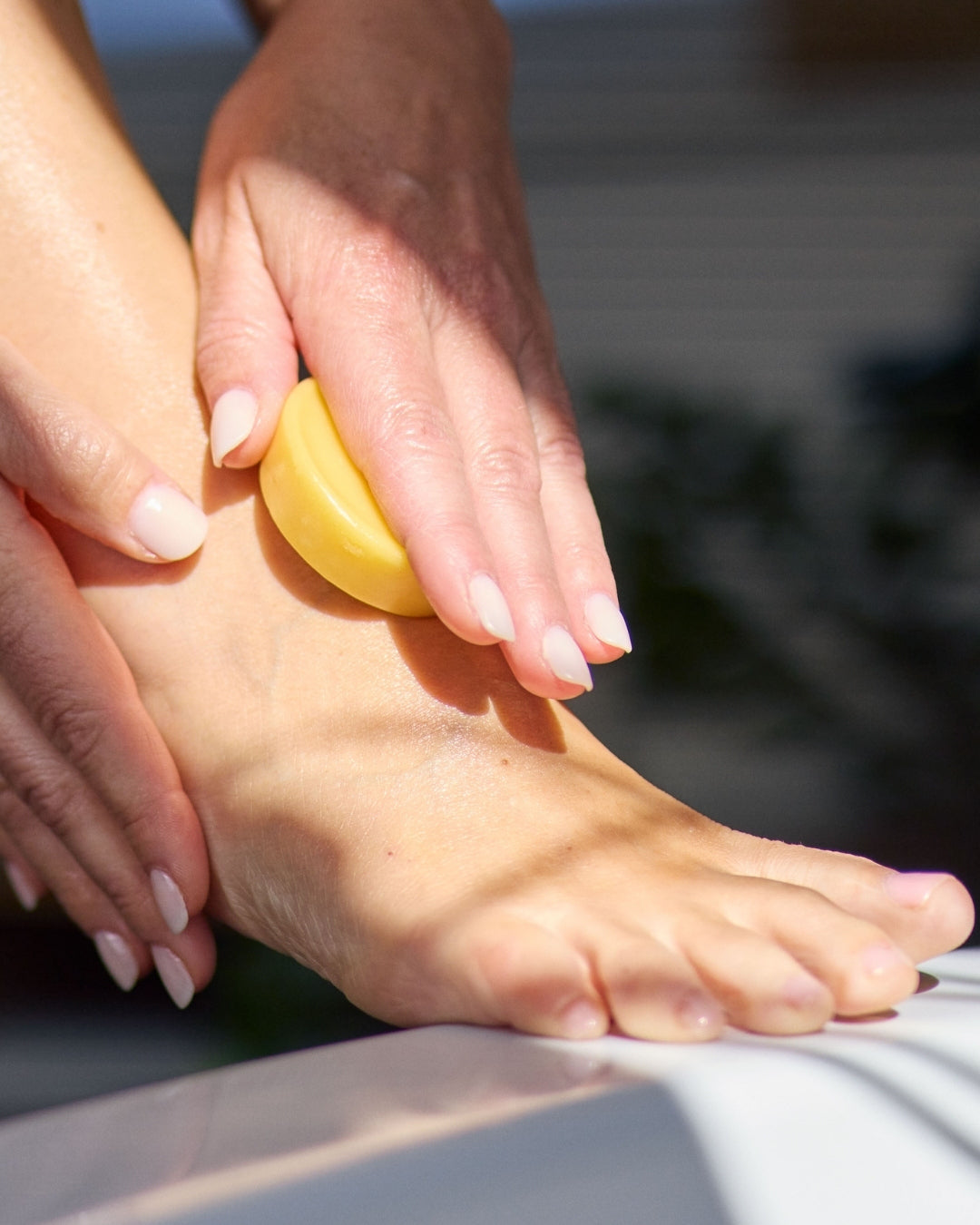
A refreshing active in our solid hand creams
A component in natural deodorants and body mists
In massage oils for an uplifting effect
In SPF lip balms for a fresh note
An energising active in day creams
For blemish marks and post-acne care
A classic 'mood booster' in aromatherapy
Energising and invigorating – ideal for your morning routine
Bergamot pairs especially well with …
Fresh citrus notes come into their own with nourishing care components and harmonising scents.
A rich base into which the scent settles nicely.
Learn moreA mild carrier oil – makes bergamot gentler on the skin and easier to spread.
Learn moreCalming meets activating – a classic aromatherapy duo.
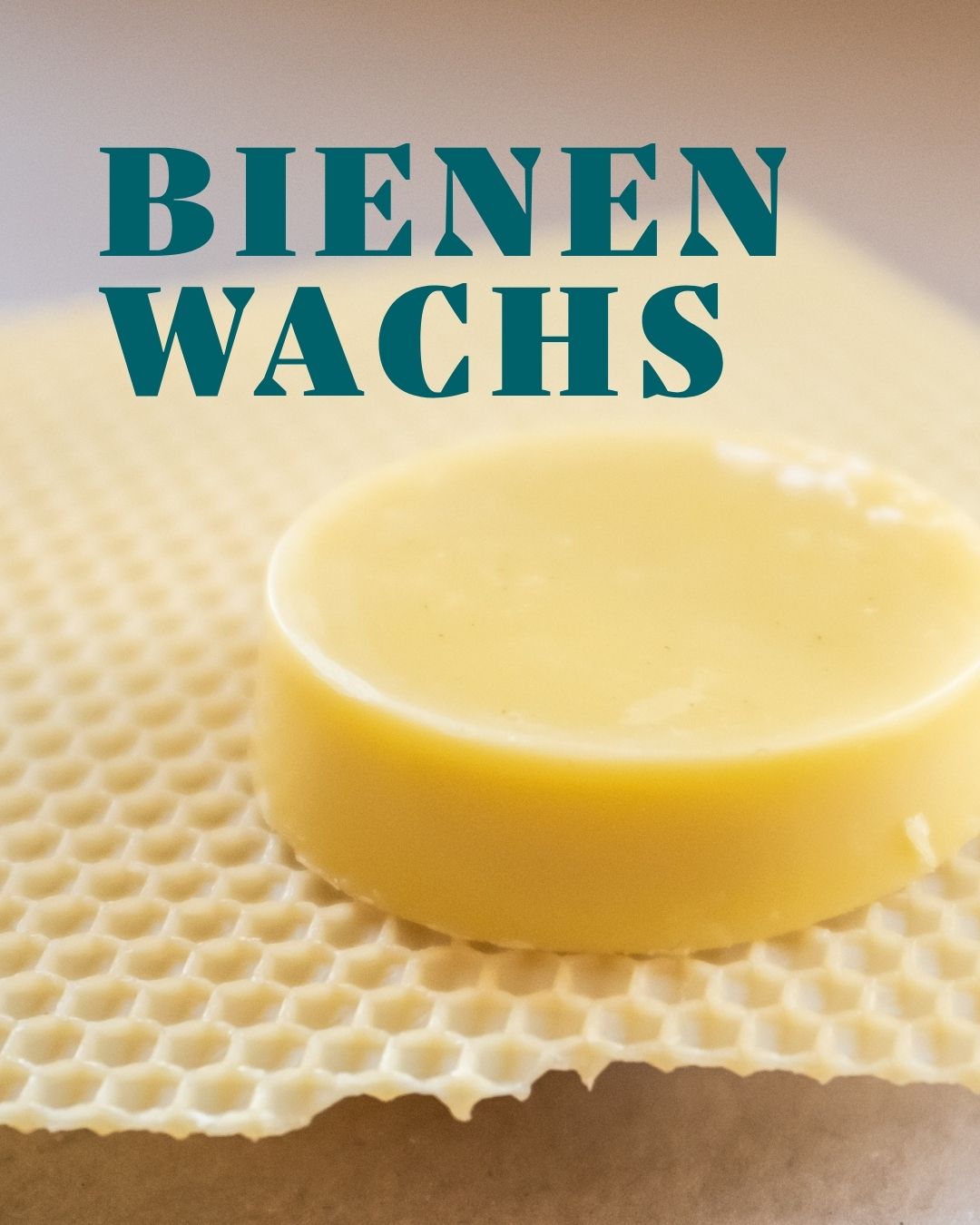
Learn moreThe vegan wax base of our bergamot hand cream.
Learn moreWhat do studies say?
„Inhaling bergamot oil measurably reduces perceived stress and feelings of anxiety."
„Bergamot oil shows antibacterial activity against skin germs such as S. aureus and P. acnes."
„FCF-free bergamot oil is not phototoxic – unlike the standard variant."
Glossary
Magazine
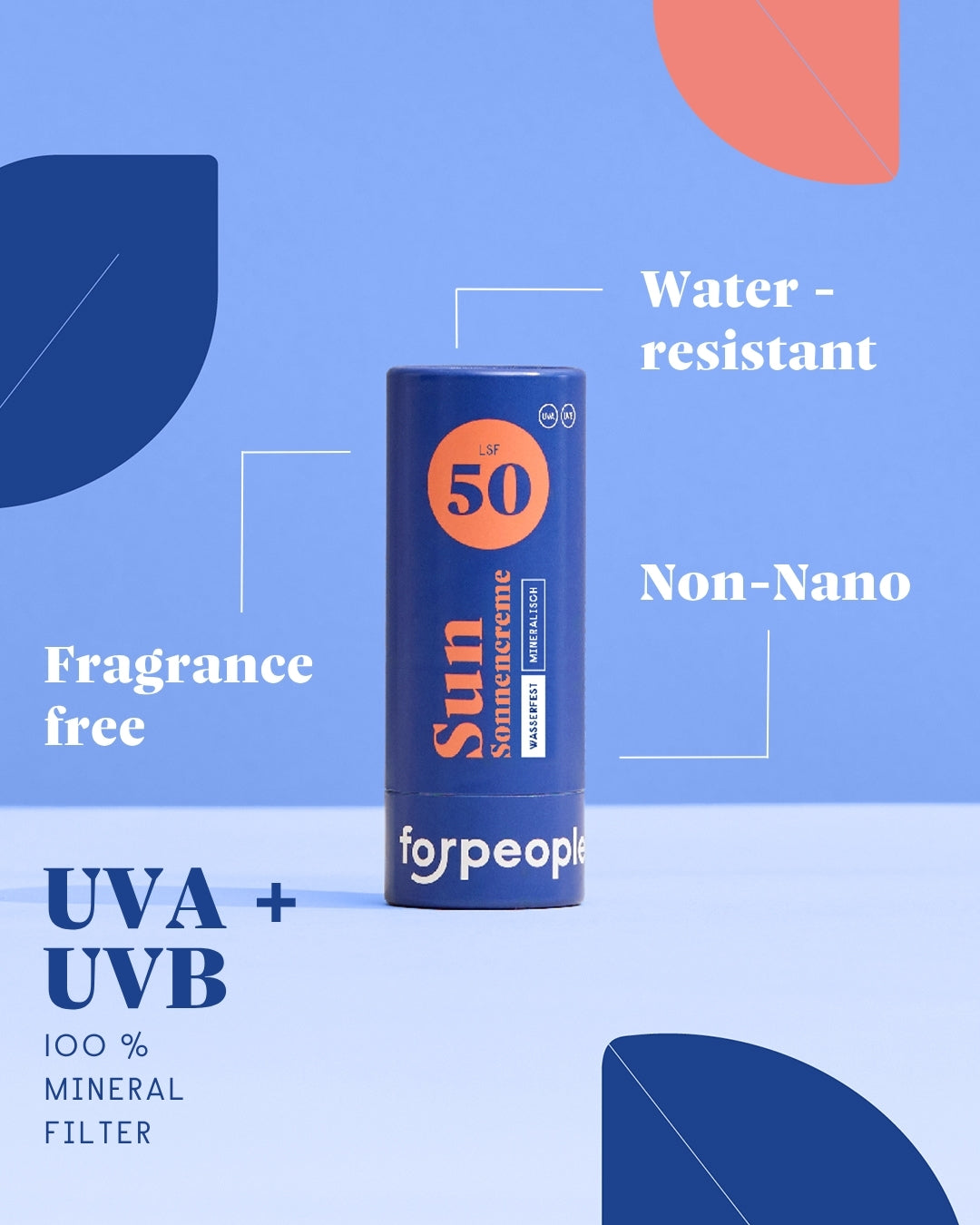
Sun allergy in children? Often the sunscreen is the problem – not the sun
Red patches, itching or little bumps after a day in the sun are quickly written off as a sun allergy. But in conversations with more than 30 customers we kept hearing something different: the skin ...
